Field notes: the enrollment year half our fields never greened up
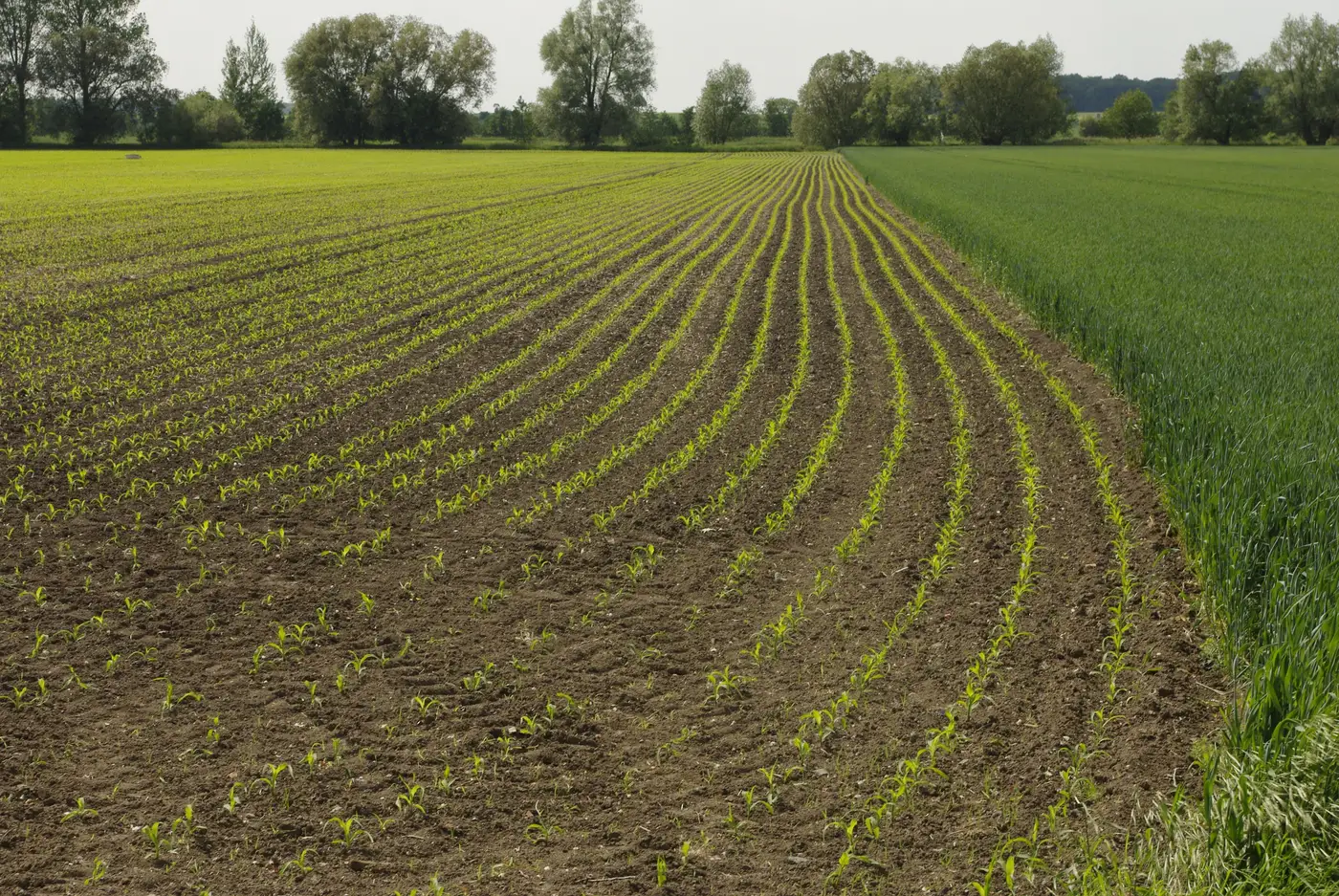
October 14. Enrollment forms in from the agronomist for the cohort, 340-odd fields, cover crop mix noted field by field, planting dates mostly clustered the second week of October. On paper, a tidy program year.
November 2. Drove past three enrolled fields on the way to a soil sample site, all three still bare dirt. Called the agronomist, who said the drill had gone through and the seed was in the ground, it just hadn't come up yet because the rain that was supposed to arrive the last week of October never did. Seed in ground isn't the same thing as seed up, and nobody writes "didn't germinate" on an enrollment form in week two.
December. Caught a dry stretch that stretched into a dry month, and that into the kind of winter where you start checking the drought monitor out of habit rather than need. By the time anyone went back to look, the window for a clean establishment call had mostly closed. Some fields had a thin green haze across the rows. A lot of them still looked like October.
This is the part of the program nobody puts in the glossy summary: the enrollment form records intent, not outcome. A grower signs up, a drill runs, a check gets cut on schedule, and the practice claim sits in the file as "cover crop planted" right next to fields where that's true and fields where it turned out to be the first half of a sentence that ended badly. By spring, when someone finally pulled the thread on this particular cohort, the number that came back was close to half the enrolled acres showing no real stand. Not fraud. Not misreporting, even, in the sense most people mean it. Just a gap between what the form says happened in October and what a person standing in the field in March would actually call established.
The uncomfortable math is that the program had already paid on the October version of the story. Retroactive clawbacks on half a cohort are the kind of conversation nobody wants to have with a grower who did, in good faith, run the drill on schedule. And the alternative, flagging every field for a site visit before any payment goes out, is the kind of staffing problem that ends the program before it scales past a demo cohort.
What stuck with me from that year wasn't the drought. Droughts happen, and growers who plant into a dry fall know the risk better than anyone reviewing the file from an office. It was how long the gap sat open before anybody looked. The planting date gets recorded once, at enrollment, and then the file goes quiet until the carbon measurement cycle catches up to it a year or two later. Establishment and non-establishment look identical on a spreadsheet. They only stop looking identical when something, a truck window, a boots-on-the-ground visit, or a pass of imagery timed to when a stand should be up, shows you the field instead of the form.
That's the piece we built Cover Crop Check around: it checks the enrollment record against what's growing each season, so "planted" and "established" stop being the same line item on the payment file.
If your program is still paying on the October form, it's worth a look at what a season-by-season check would have caught.