Log
Blog
 What is an MRV protocol in a soil carbon program?
A plain explanation of MRV in soil carbon programs, where practice verification fits, and why cover crop claims need more than a grower's word.
 Biomass index vs. canopy cover percentage: what registries actually ask for
Biomass index and canopy cover percentage get used interchangeably in grower reports. Here's which one shows up in registry verification files, and why.
 Multi-species vs single-species cover crops: what satellite imagery can't tell you
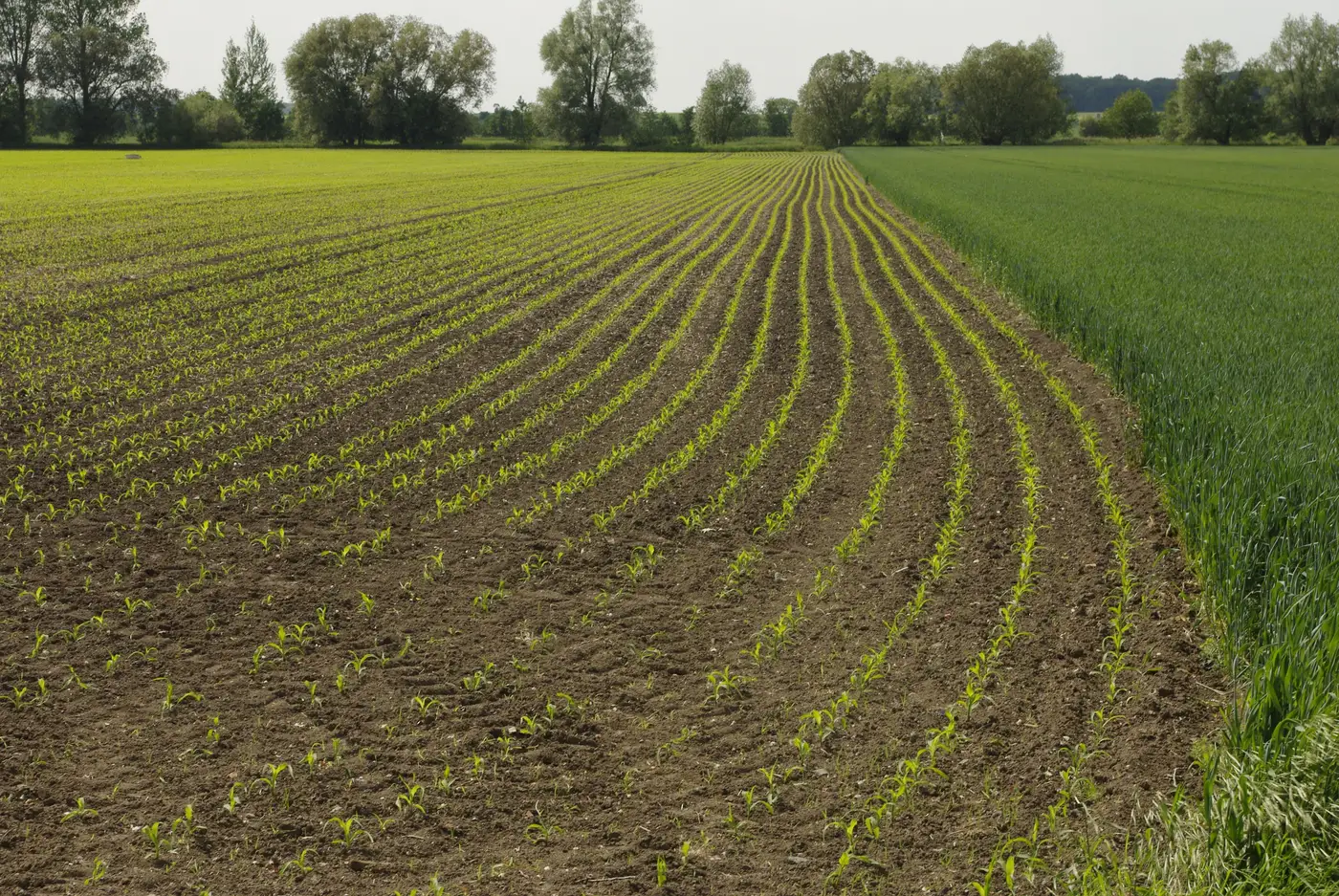
What multispectral imagery can confirm about mixed-species cover crop stands, and where verifiers still need a field note or a photo.
 Field notes: the quarter a verifier and a brand read the same pass differently
A verifier and a sustainability team looked at identical cover-crop imagery and drew two different conclusions. Here's why that gap matters.
- Documenting a grower appeal when imagery disagrees with the practice claim
A field-level guide to building an appeal file when satellite classification contradicts a grower's self-reported cover crop or residue claim.
- Cash crop residue vs cover crop residue: telling them apart in satellite imagery
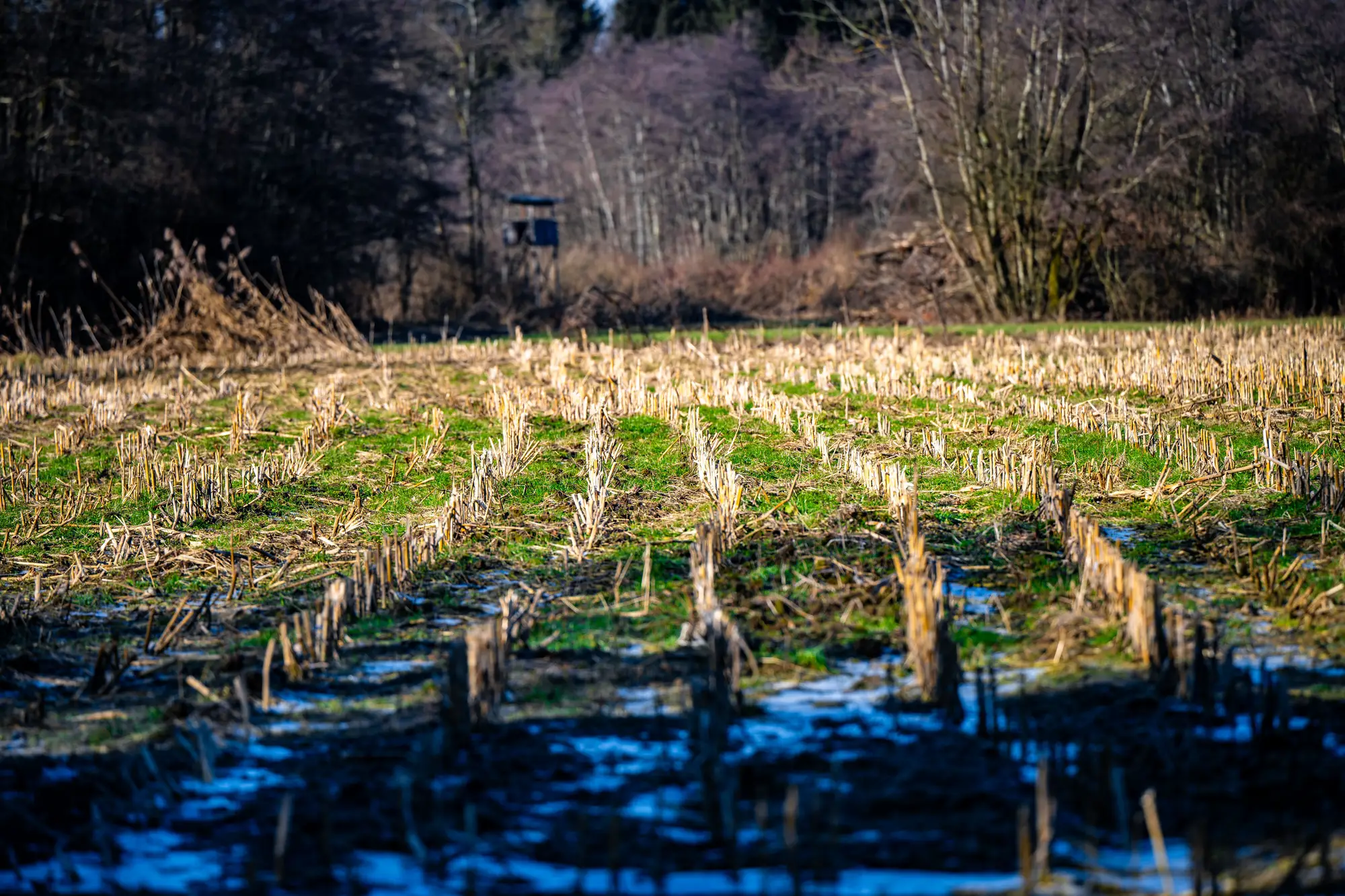
How multispectral imagery separates a green cover crop stand from leftover cash crop stubble, and why pass timing matters more than band count.
- Field notes: the enrollment year half our fields never greened up
A verifier's field notes from an enrollment year when the planting dates on file didn't match what was growing. On trusting the form versus checking the field.
- What counts as a verified practice claim in a soil carbon program
What separates a verified practice claim from a self-attested one in soil carbon MRV, and what registries expect as evidence.
- How to cross-check seed tags and planting receipts against field imagery
A step-by-step way to check grower seed tags and planting receipts against field imagery before a cover crop claim clears audit.
- What is a stacked practice credit in soil carbon programs?
A plain look at what a stacked practice credit means when cover crop and no-till payments land on the same field, and what a verifier should check first.
- Reconciling grower-reported planting dates with satellite green-up
Why grower-reported planting dates and satellite green-up dates rarely match, and how to set a reconciliation process that doesn't flag every gap as fraud.
- What counts as a partial stand in cover crop establishment scoring
A look at how partial stands get scored for carbon programs, and why a single field-level yes/no misses what actually grew.
- Cover crop green-up vs. winter weeds: what satellite imagery shows
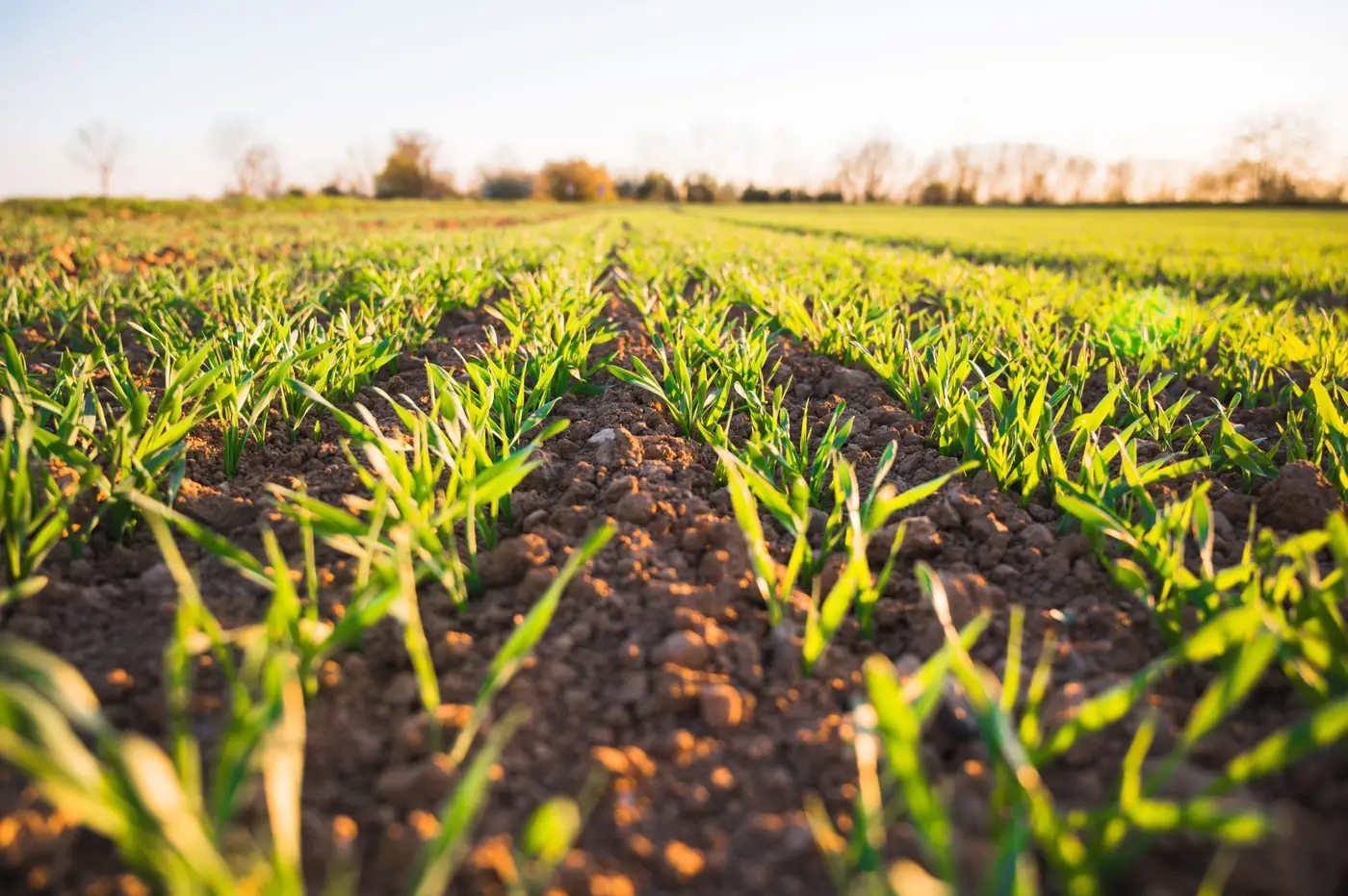
How to separate a real cover crop stand from volunteer weeds and winter annuals in multispectral imagery, and why the mix-up produces false establishment calls.
- Line-transect vs satellite imagery for residue cover estimates
How the NRCS line-transect method compares to satellite screening for checking residue cover claims on enrolled fields, and when to use each.
- NDVI threshold for cover crop establishment, explained
What an NDVI threshold for cover crop establishment really measures, and why verifiers should read the seasonal trend, not one fixed cutoff.
- What counts as cover crop termination for carbon program payments
A plain breakdown of what "termination" means for carbon program payment triggers, and why the termination date matters more than the method.