What counts as a partial stand in cover crop establishment scoring
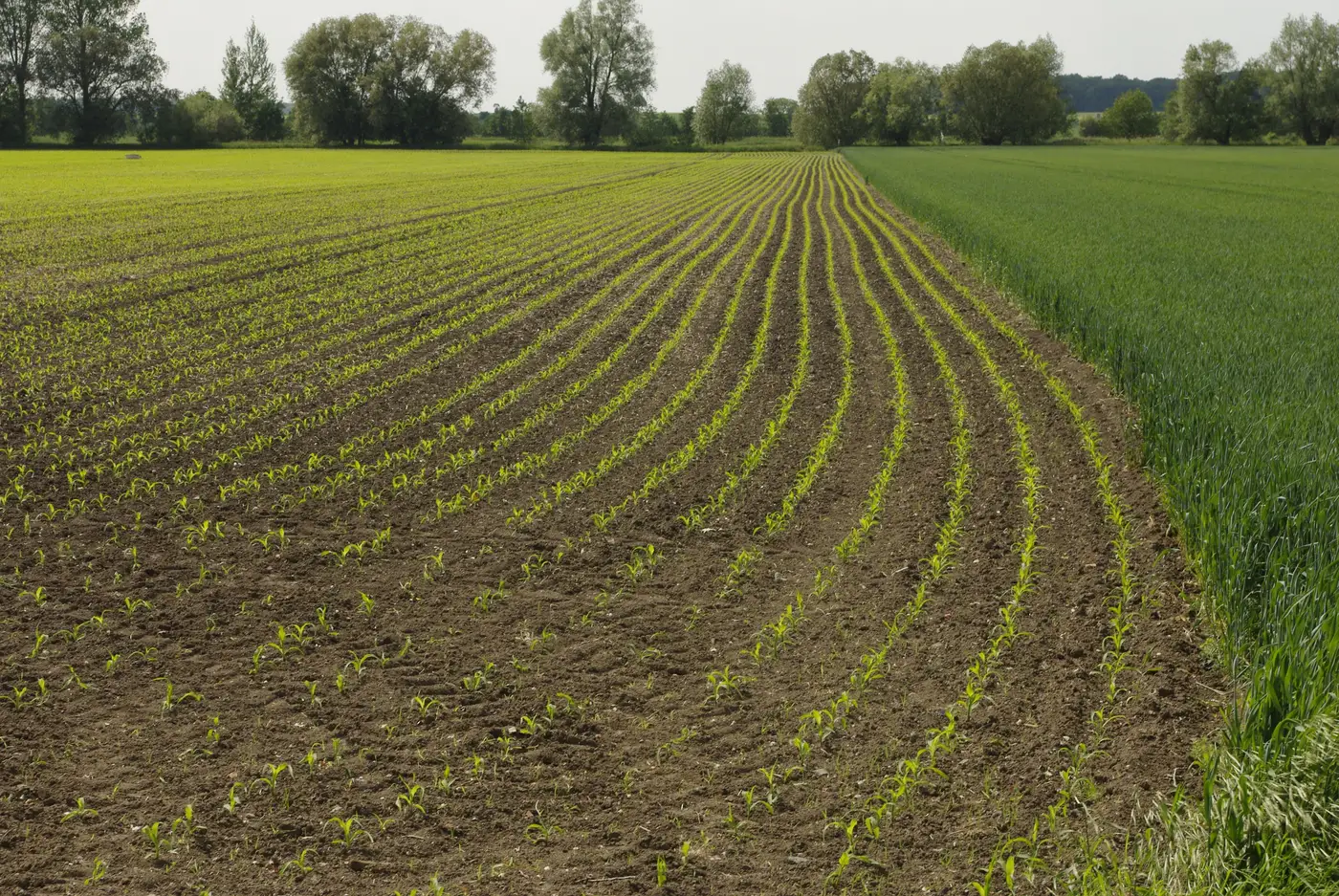
A grower plants cover crop across a 90-acre field. Three weeks later, the low corner is a solid green mat, the ridge is bare where the drill skipped, and a strip along the fence line never came up because deer worked it over all winter. Is that field "established" or not?
This is the question every verifier eventually runs into, and it doesn't have a clean answer written into most program protocols. "Partial stand" is the term for exactly this situation: some of the enrolled acreage shows real cover crop growth, some doesn't, and the field as a whole doesn't fit neatly into either box on the practice claim.
Why partial stands happen
Cover crop failure is rarely total. More often it's uneven, and the causes are the same ones growers have dealt with for decades: a planter running low on seed partway through a pass, a wet spot that drowned out after planting, a hard frost that hit before emergence, or herbicide carryover from the cash crop that suppressed germination in patches. None of these are reasons to reject a practice claim outright. They're reasons the field needs to be looked at in pieces instead of as one number.
The problem is that most self-reported practice data doesn't come in pieces. A grower checks a box: cover crop planted, yes or no. A program verifier reviewing that claim against aerial or satellite imagery has to decide how much bare ground inside the boundary is enough to downgrade the whole field, and how much is just normal field variability that any establishment survey would show.
How scoring usually handles the gray area
Programs that have thought this through tend to land on one of two approaches. The first is a threshold rule: if cover crop canopy covers enough of the field to count as established, the whole boundary gets scored as established, and the patchy sections are treated as acceptable variation. The second is a split or zonal approach: the field boundary gets broken into sub-areas, and each sub-area is scored on its own, so a 90-acre field might come back as 70 acres established and 20 acres not.
Neither approach is wrong, but they produce very different numbers for the same field, which is exactly why "partial stand" needs a program-level definition before it needs a measurement tool. A verifier working from satellite or drone passes can show you canopy density down to the pixel. What that data can't do on its own is tell you where your program draws the line between "this field counts" and "this field needs a closer look."
What a wide-swath pass over the enrolled boundary can do is take the guesswork out of where the gaps are and how much of the field they cover, pass after pass, so the scoring decision is made against something more solid than a single self-reported checkbox. That's a different problem than defining the threshold, but it's the one that blocks verification work today: growers reporting establishment on fields that, when you look, are half bare ground and volunteer weeds dressed up as cover.
Scoring patchy fields without guessing
A patchy field classification doesn't have to mean rejecting the whole claim or accepting it on faith. If you can see canopy cover and bare ground separately across the boundary, you can apply whatever threshold your program already uses, consistently, field after field, season after season. The hard part stops being "can I trust this report" and starts being "does this field clear our bar," which is a much easier argument to have with a grower or a brand partner.
That consistency is the actual ask from most verification teams: not a new definition of partial stand, just a way to check the definition they already have against what's growing in the field. Season-by-season field classification built from imagery passes gives you cover established or not, residue present or absent, tracked across the enrolled boundary for the whole program period, so the partial-stand call is backed by what grew, not by what got written on a form.
If patchy establishment claims are slowing down your verification queue, it's worth seeing what a field-level read looks like before the next reporting cycle.