How to cross-check seed tags and planting receipts against field imagery
What the paper trail actually proves
A seed tag proves a bag of cover crop seed existed, was tagged for a species, and came from a given lot. A planting receipt proves a vendor sold or delivered seed, or that a drill or applicator ran on some date. Neither one proves the seed went into the ground on the enrolled acres, inside the window the program requires, or that anything came up afterward. A grower can have a complete, tidy folder of tags and invoices for a field that was never drilled, drilled three weeks late, or drilled on a different parcel than the one enrolled.
That gap is exactly why verification programs ask for documentation in the first place. It's also why documentation alone keeps failing audits.
Running the cross-check, step by step
- Pull the enrolled field boundary and the claimed planting date from the program record, not the farm-level summary.
- Match the seed tag's species and lot number to what was reported for that specific field. Tags get reused across fields pulling from the same seed source, so a single tag photo covering three fields tells you nothing about field two.
- Check the receipt date against the claimed drill date. A receipt dated three weeks after the claimed planting window doesn't prove fraud. It's still worth flagging for a closer look.
- Line up a field pass for that boundary around the claimed emergence window, roughly 3-6 weeks after the drill date depending on species and region.
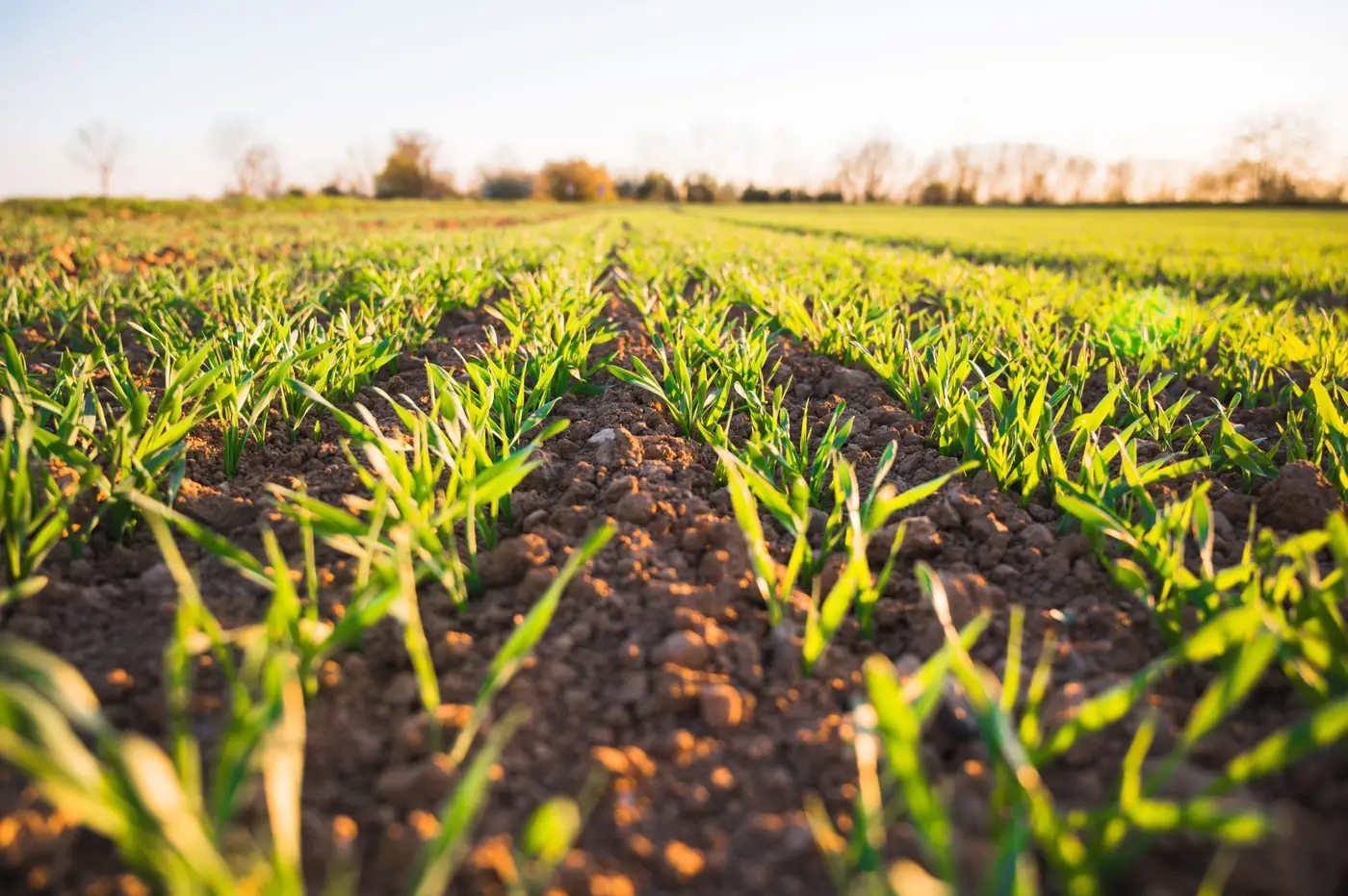
- Compare the two records. Tags and receipts say a cover crop went in. Imagery says whether something green actually came up on that boundary, and later whether residue was still there ahead of cash-crop planting.
When the paper and the pixels agree, the file clears. When they don't, you know which fields need a call to the grower or a site visit, instead of spending that time on fields that already check out on their own.
Paper trail vs. remote verification: what each one actually covers
A documentation audit catches missing paperwork well: no tag, no receipt, no record at all. It's much weaker at catching a field where the paperwork is real but the practice didn't happen as claimed, because a tag and a drill ticket don't know what boundary the seed ended up on. The grower filling out the form may not know either, if the custom applicator worked off an old field map.
Field imagery doesn't care what paperwork exists. A multispectral pass over the enrolled boundary either shows an established stand and later a residue cover, or it doesn't. It can't tell you the seed lot or the vendor, and it won't replace the file a program needs for its own records. What it answers is the question the paper trail can't: did the practice show up on the ground, on that field, in that season.
Used together, the two close each other's blind spots. The documentation gives you the claim and a date. The imagery gives you the outcome.
Where this fits into an audit workload
Most verification teams don't have the staff to field-visit every enrolled acre every season, and a documentation review alone leaves the self-report problem unsolved. You're still trusting that the tag in the folder matches the field in the program. Running a seasonal imagery pass across the enrolled boundaries and matching it against the claimed planting windows turns that trust into a check. Fields that match on both paper and pixels clear fast. Fields that don't get a closer look before the season closes out.
Cover Crop Check builds that second check from wide-swath multispectral passes over the fields you enroll, classifying each one by cover established or not, and residue present or absent, tracked across the program period. It's built around paying on verified practice instead of a grower's self-report.
If your documentation audit could use that second check, Cover Crop Check runs it season by season across your enrolled fields.