What is a stacked practice credit in soil carbon programs?
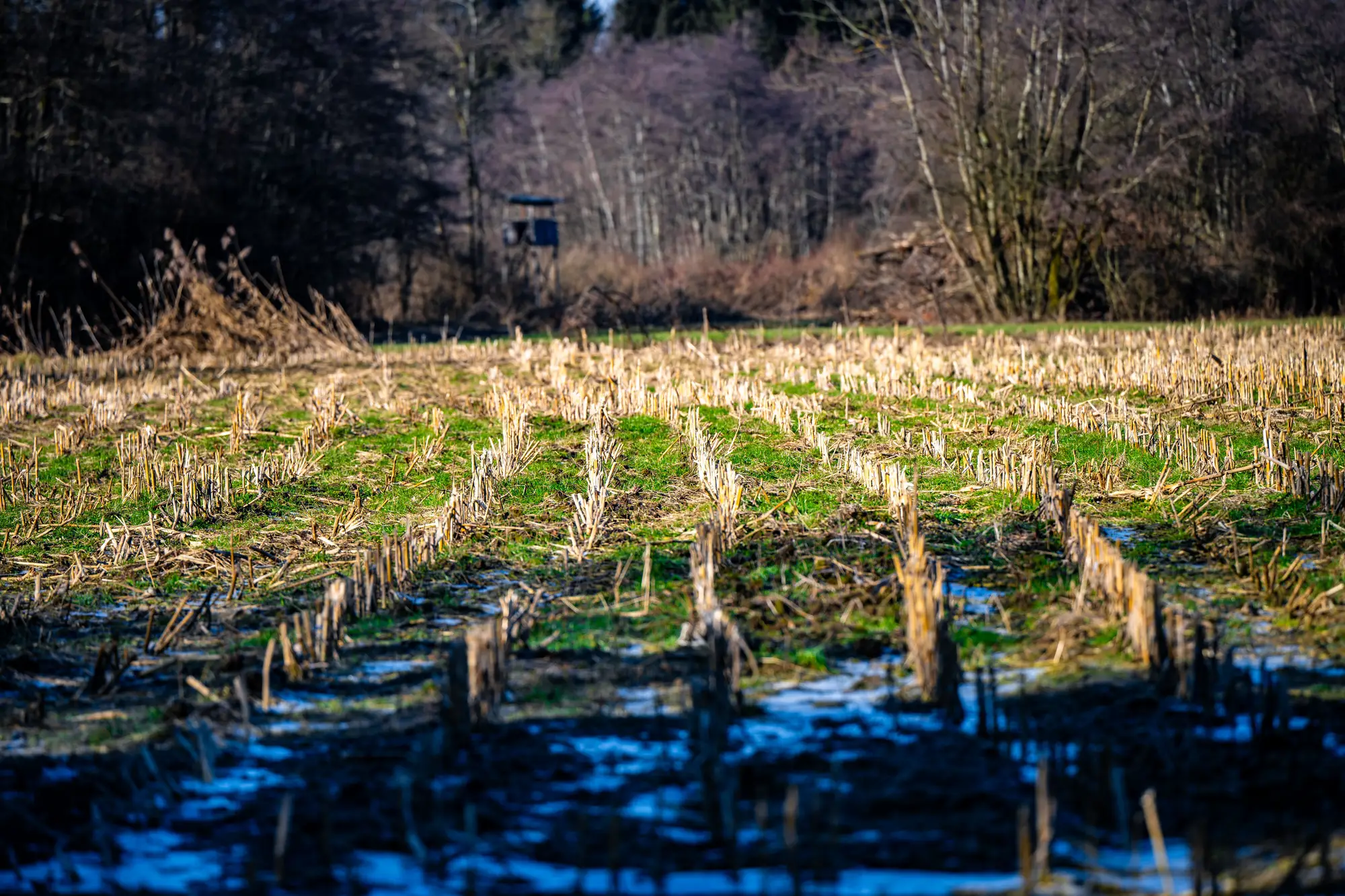
A grower enrolls the same field in two practice-based payments at once: one for planting a cover crop, one for cutting tillage. Two line items land on your desk, tied to the same acres, the same crop year. Is that double-dipping, or is that just how two real practice changes on one field are supposed to get paid?
That's the question underneath "stacked practice credit." The term names a payment or credit issuance that rests on more than one eligible practice change happening on the same field in the same season, most often cover crop plus no-till or reduced till, sometimes with a nutrient-management change layered on top. No registry runs a credit type called "stacked" on its own ticker. The word just describes how two practices get paid on one field in the same year.
Why this comes up so often with cover crops and no-till
Cover crop and no-till get stacked constantly because they're the two practices a lot of row-crop growers were already drifting toward before any program existed, and because they're genuinely complementary. A no-till field holds residue better with a cover crop on it; a cover crop terminates cleaner into a no-till system. Agronomically they're a pair. Financially, that pairing is exactly what raises the question a verifier has to answer: is each practice earning its payment on its own merit, or is one practice just riding along on the other's paperwork?
Programs handle this differently, and the differences matter more than most enrollment packets let on. Some protocols treat cover crop and tillage change as separate eligible activities, each with its own baseline and its own evidence requirement. A grower can legitimately draw a payment for both, provided both practices changed in the field and the field records back that up. Others bundle them into a single "soil health" practice bundle: the payment covers the combined system, and a grower who adopts only the cover crop piece gets a reduced payment or none. Neither approach is wrong. They're just different, and a verifier who assumes one when the registry is running the other ends up either rejecting valid stacked claims or signing off on ones that shouldn't stack.
What to check before you sign off on a stacked claim
A self-reported stack is the easiest claim in the program to overstate, because the grower only has to check two boxes on an enrollment form, not prove either practice happened. Before approving a stacked payment, a verifier generally needs three things lined up:
First, separate baselines for each practice. If the field was already no-till three years before enrollment, the no-till side of the stack isn't a practice change at all. It's a continuation, and most protocols won't pay for continuing something the grower was already doing.
Second, independent confirmation that both practices occurred in the payment year, not just one. Tillage records and planting receipts can confirm intent, but they don't confirm what the field looked like after planting, whether the cover crop actually established, whether residue stayed on the surface through the window the protocol cares about. That's the gap between a grower's enrollment claim and what a field-level record shows.
Third, a check for double-counting against any other program the same acres might be enrolled in. Stacking within one program's practice list is a design question. Stacking the same acre's carbon across two different registries or buyers is a different problem entirely, and it's the one that draws the most scrutiny if it surfaces later.
The practical takeaway for a review desk
None of this is a reason to default to denying stacked claims, and it isn't a reason to wave them through either. Pull apart what is being claimed before signing off: which practices, which baseline, which crop year, and whether there's a field-level record to back each one independently rather than treating the stack as a single bundled assertion.
That last piece, an independent record for each practice instead of one self-report covering both, is the gap Cover Crop Check is built to close. It runs a season-by-season check on cover-crop establishment and residue cover built from the imagery itself, not from the enrollment form. If a stacked claim is sitting on your desk and the only evidence behind it is a grower's word, that's worth a second look before the payment goes out.