What is an MRV protocol in a soil carbon program?
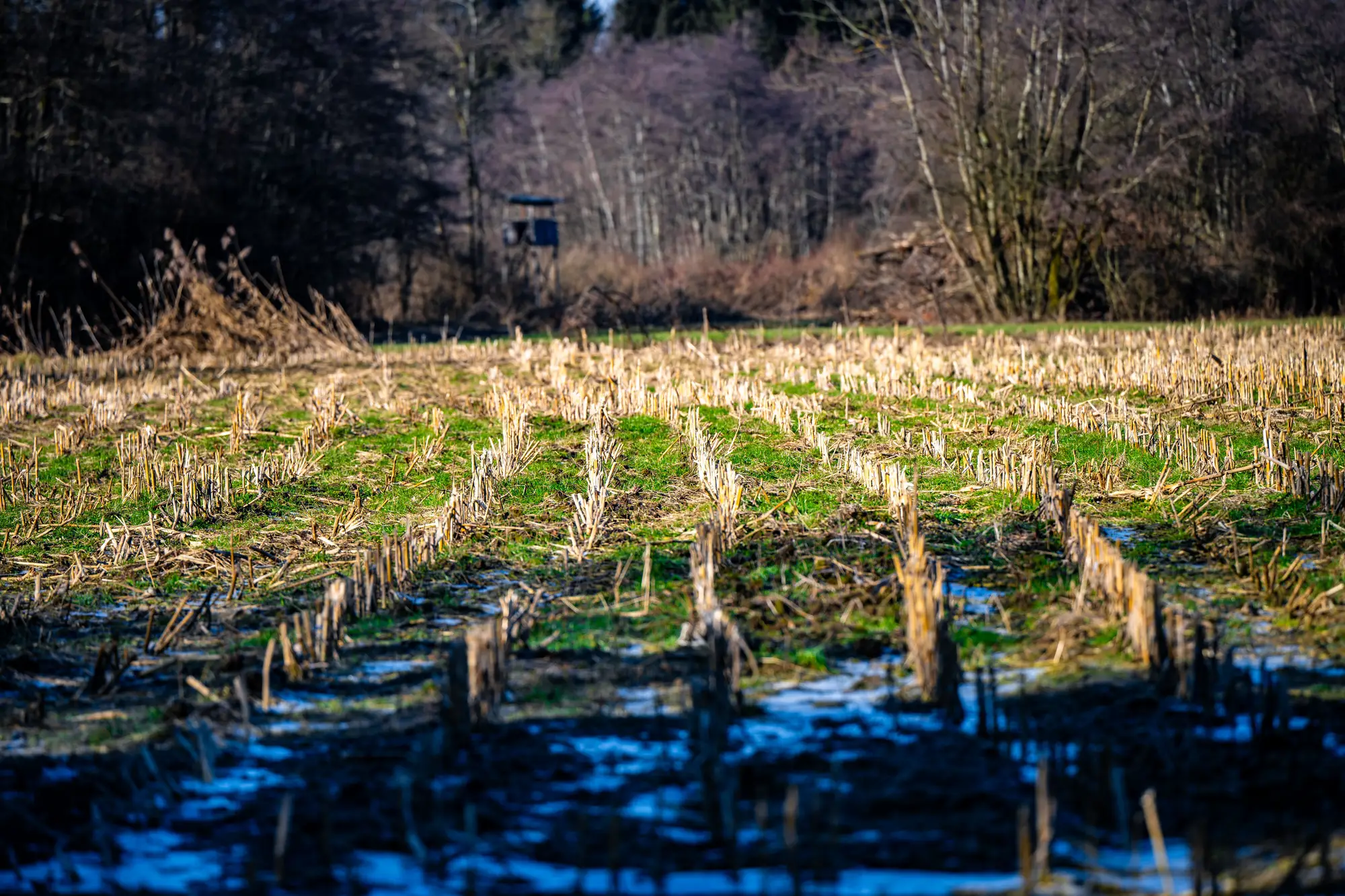
If you work anywhere near soil carbon markets, you've heard "MRV" used like everyone already knows what it means. Most people roughly do. But the specifics matter a lot more when you're the one signing off on a program's credits, or putting your brand's name on a supplier sustainability claim that someone else is going to fact-check.
MRV stands for measurement, reporting, and verification. It's the backbone of any credible soil carbon program: the methods a program uses to confirm that a claimed practice change took place, that the resulting carbon outcome was measured honestly, and that an independent party checked the work before credits get issued or a number gets published.
What each letter covers
Measurement is the data collection layer: soil sampling, model outputs, remote sensing imagery, whatever the methodology specifies for estimating the carbon change on a given field. Reporting is the paperwork trail: the grower's submitted practice data, the program's compiled results, the documentation that eventually lands in front of a verifier or auditor. Verification is the check itself, someone outside the program's own data pipeline confirming that the reported practice and the measured outcome match what actually happened on the ground.
Soil carbon program verification protocols vary by registry and by methodology. Some weight soil sampling heavily, some lean more on modeled estimates, some require third-party audit on a sample of fields each cycle. But they all share this same three-part shape. A protocol that skips the verification step is self-reporting with a logo attached to it.
Why practice verification keeps being the weak point
This is where it gets specific to cover crops. A lot of soil carbon programs pay out, at least in part, on practice adoption: did the grower plant a cover crop, did it establish, was residue left on the field instead of worked under before the next cash crop went in. That's cheaper to confirm than direct soil carbon measurement, which is a big part of why programs lean on it for the practice-change leg of their protocol.
The trouble is that practice adoption has mostly been confirmed by the same party reporting it. The grower attests, the program logs the attestation, and verification amounts to a spot-check on a handful of fields out of thousands enrolled. For a soil-carbon program verifier who has to defend a season's worth of credits, or a food-brand sustainability team citing acres under cover crop in a supplier scorecard, a spot-check on five percent of fields is a thin basis for a number that's going to get read by auditors, a journalist, or a skeptical NGO.
A measurement, reporting, and verification soil carbon protocol is only as strong as its weakest link. For a lot of programs right now, that link is the practice confirmation step. You can have rigorous soil sampling and a defensible carbon model, and still be exposed because the underlying claim, that a given field carried a cover crop that season, was never checked against anything but the grower's own form.
Where field-level monitoring fits into the protocol
This is the gap wide-swath multispectral monitoring is built to close. Instead of relying on self-report or a sampled subset of field visits, a program can get a season-by-season read on whether cover crop was established and whether residue was present, field by field, across the entire enrolled acreage rather than a slice of it. That turns the practice-verification leg of the protocol from an attestation into a record a verifier can hand to an auditor.
That's the use case Cover Crop Check is built around: give us the enrolled field boundaries, get back a seasonal classification, established or not established, residue present or absent, tracked across the program period. It doesn't replace the measurement or reporting pieces of a protocol. It's built to handle the one piece a lot of protocols still take on faith.
If your program's MRV protocol currently treats cover crop adoption as a self-reported line item, it's worth finding out what a verified version of that line item would look like before the next audit cycle.