Documenting a grower appeal when imagery disagrees with the practice claim
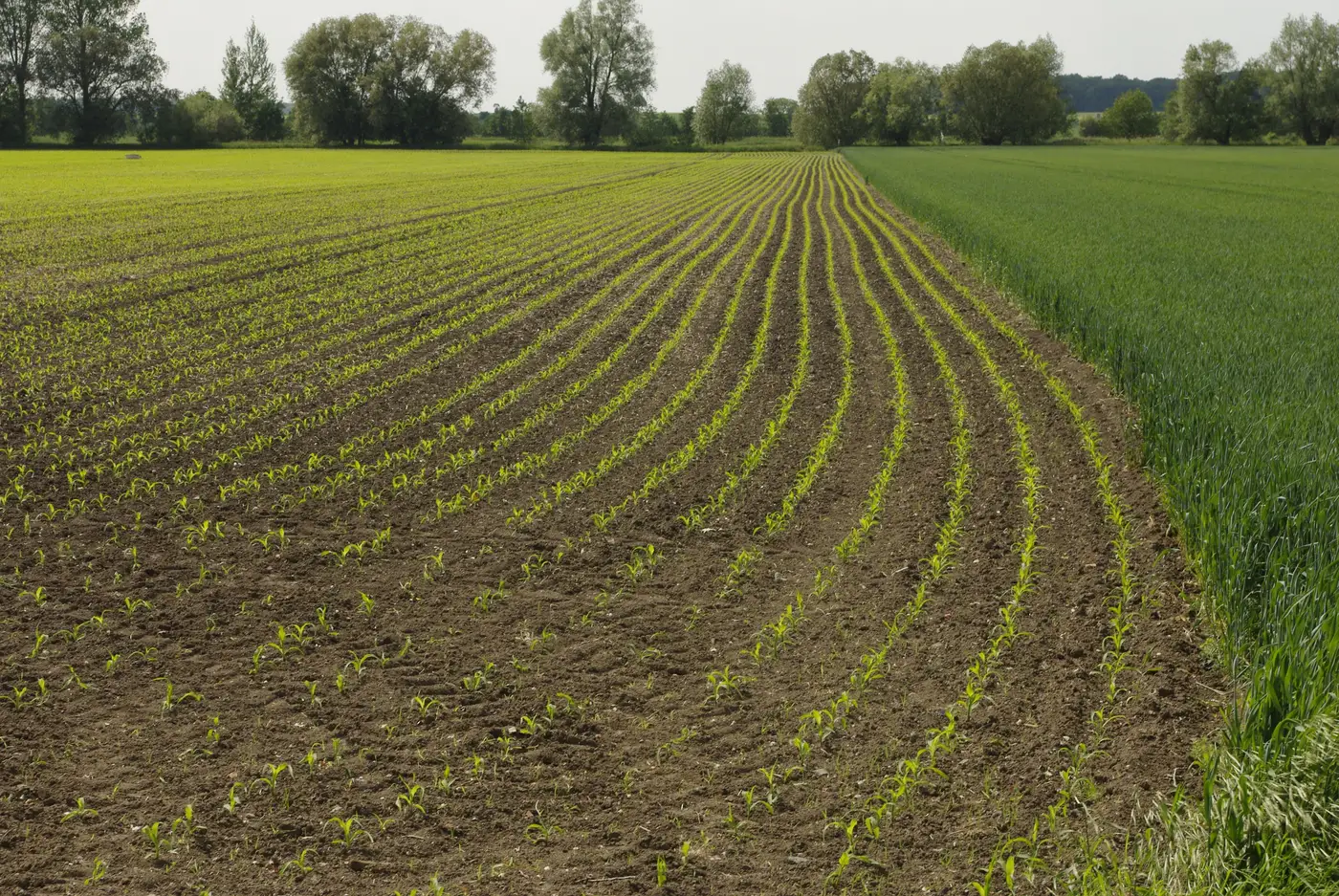
A grower appeal is the moment every practice-verification program has to be able to defend its own math. The enrollment data said cover crop, drilled by mid-October, terminated after green-up. The imagery pass for that quarter showed bare soil through the window when cover should have been up. Somebody has to reconcile those two records before payment goes out, and "the imagery must be wrong" is not a reconciliation. It's a starting point.
Most programs already have a grievance or dispute clause buried in the enrollment agreement. Few of them spell out what the grower has to submit, or what the verifier has to document in response, when a classification result contradicts a self-report. That gap is where appeals drag on for months and where auditors later ask why a field got paid without a resolved record.
What belongs in the appeal file
The file needs three things, and a lot of appeals arrive with only one.
First, the grower's counter-evidence, dated and tied to the specific field boundary in question. A geotagged photo taken the same week as the flagged pass is worth far more than a photo taken a month later. If the grower says the field was planted but emergence was delayed by a dry spell, that claim needs a planting receipt or seed tag, not just a statement.
Second, the program's own record of what the imagery showed and when. This means the pass date, not just "fall survey," and the classification result for that specific field boundary, not a regional summary. If a verifier can't produce the pass date and the boundary-level result side by side with the grower's counter-evidence, there's no basis for comparison, only two competing stories.
Third, a written resolution note: what was reviewed, what changed (if anything), and who signed off. This is the part programs skip because it feels like paperwork for its own sake. It's the part that protects the program when a buyer's sustainability team or a third-party auditor pulls the file two years later and asks how a disputed field got cleared.
Where the disagreement usually comes from
Timing accounts for most appeals. A field drilled late, or terminated earlier than the program window assumes, can show bare ground on the exact date a pass happens to fly over, even though the practice was followed. Cloud cover forcing a pass to slip a week or two compounds this. A grower who planted on schedule but got caught by one mistimed pass has a legitimate complaint, and the resolution should say so plainly rather than treating every dispute as the grower trying to game the program.
Cover crop species matters too. A low-biomass cover like a brassica mix or a thin cereal rye stand can read very differently from a thick vetch stand at the same growth stage, and a classification tuned for one can misread the other if nobody checks the species on file against what the field actually looks like at pass time.
What holds up under appeal is a per-field, per-season record detailed enough that a single contested pass doesn't have to stand alone as the only evidence. A seasonal classification record tracked field by field across the program period, like the season-by-season field record Cover Crop Check keeps, gives a verifier something to check a disputed date against instead of relitigating the whole season from one image.
Closing the loop
An appeal that ends with "payment approved" and nothing else isn't closed, it's deferred. The note should state the specific evidence reviewed, the specific conclusion, and whether the field's classification record was corrected or left as originally flagged with an explained exception. Programs that keep this consistent across every disputed field end up with something close to a case log, which is exactly what gets asked for when a brand's sustainability team or an external auditor reviews the program's verification practices the following year.
Build the habit now, before the appeal volume grows past what anyone can track by memory. A program that pays on self-report alone has no record to appeal against in the first place, which is its own kind of problem. Set up field-level tracking before the next disputed pass, not after.